

How Artificial Intelligence Is Transforming Modern Medicine
Artificial intelligence has become one of the most revolutionary technologies of the modern era, and its impact on healthcare continues to grow every year. Healthcare providers, researchers, and technology companies are increasingly using AI to improve patient care, enhance medical research, and streamline hospital operations. As interest in digital healthcare expands, searches for wellhealthorganic ai in healthcare have become more common among readers who want to understand how AI is changing medicine.
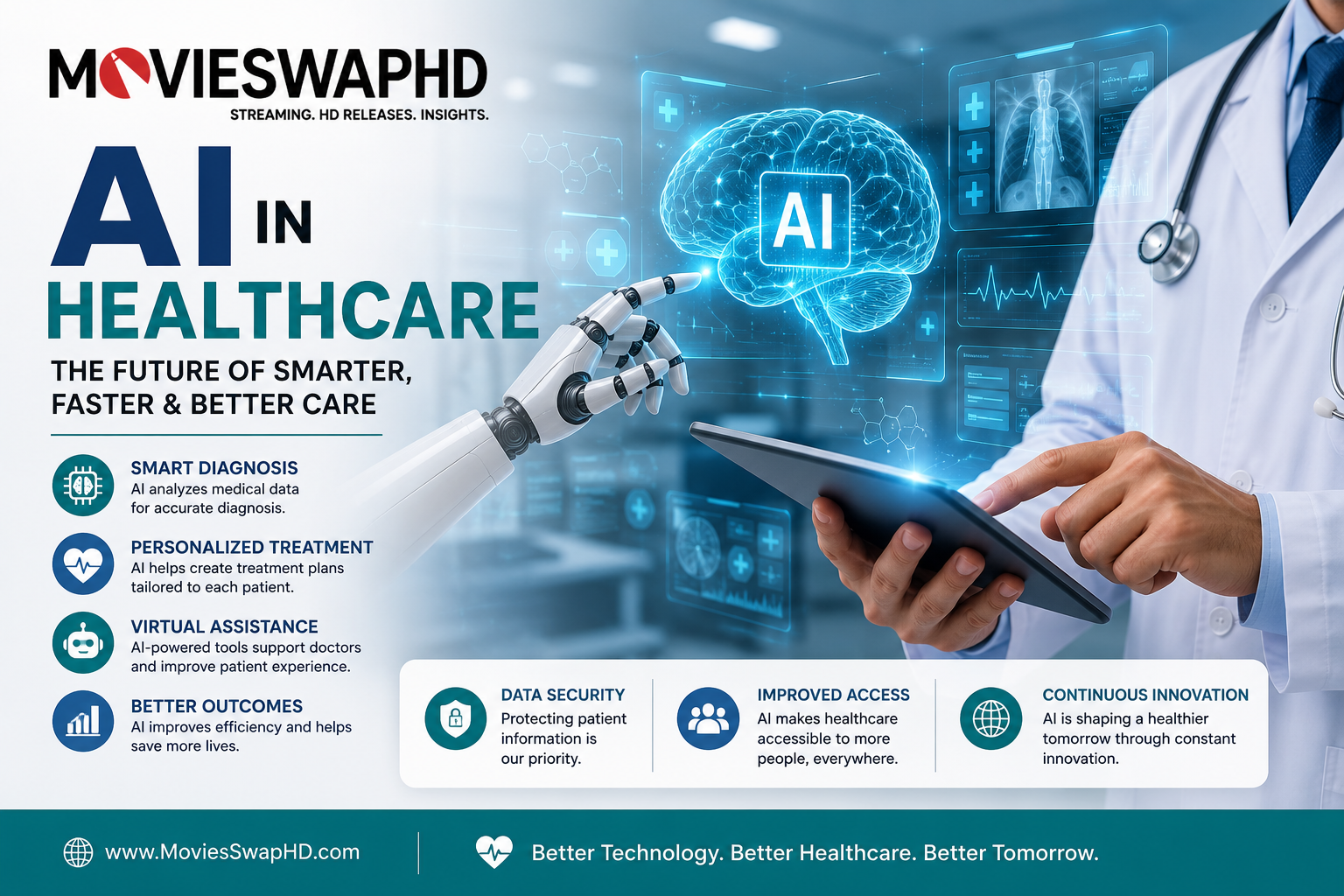
Unlike traditional healthcare systems that rely heavily on manual processes, artificial intelligence can analyze large amounts of medical data within seconds, helping doctors make faster and more informed decisions. While AI cannot replace healthcare professionals, it serves as a powerful tool that supports diagnosis, treatment planning, disease prevention, and personalized patient care. Understanding how artificial intelligence works in healthcare helps individuals appreciate both its enormous potential and the importance of responsible implementation in medical practice.
Understanding Artificial Intelligence in Healthcare
Artificial intelligence refers to computer systems designed to perform tasks that normally require human intelligence, including learning, reasoning, problem-solving, and decision-making. In the context of wellhealthorganic ai in healthcare, AI systems use machine learning, deep learning, natural language processing, and advanced algorithms to analyze medical information. These technologies help doctors identify patterns that may not be immediately visible through traditional analysis.
AI applications continue expanding across hospitals, clinics, laboratories, pharmacies, and research institutions worldwide. By processing millions of medical records, research papers, and diagnostic images, AI supports healthcare professionals in delivering more accurate and efficient care. Rather than replacing doctors, artificial intelligence enhances their ability to make evidence-based decisions while reducing administrative workloads. As technology continues improving, AI is expected to become an even more valuable partner in modern healthcare systems.
Improving Disease Diagnosis with AI
One of the most significant benefits of wellhealthorganic ai in healthcare is its ability to assist with disease diagnosis. Early detection often improves treatment outcomes, and AI can analyze medical images such as X-rays, CT scans, MRI scans, and mammograms with remarkable speed. Advanced algorithms identify abnormalities that may indicate diseases including cancer, heart conditions, neurological disorders, and lung diseases.
AI systems compare medical images against large databases, helping radiologists detect subtle changes that might otherwise be overlooked. While final diagnoses always remain the responsibility of qualified healthcare professionals, AI provides valuable decision support that improves diagnostic accuracy. Faster diagnosis also allows patients to begin treatment earlier, increasing the chances of successful recovery while reducing unnecessary delays in medical care.
Personalized Treatment for Every Patient
Every patient has unique medical needs, genetic characteristics, and health histories. The concept of wellhealthorganic ai in healthcare includes personalized medicine, where artificial intelligence helps create treatment plans tailored to individual patients. AI analyzes medical records, laboratory results, genetic information, medications, allergies, and lifestyle factors to recommend therapies that are more likely to produce positive outcomes.
Personalized healthcare reduces unnecessary treatments while improving treatment effectiveness and patient satisfaction. As genetic testing becomes more widely available, AI will play an even greater role in identifying individualized healthcare strategies. This personalized approach allows healthcare professionals to provide more precise medical care while minimizing potential side effects associated with generalized treatment methods.
AI Enhancing Hospital Efficiency
Hospitals generate enormous amounts of information every day, including patient records, appointment schedules, laboratory reports, billing data, and administrative documents. One of the practical applications of wellhealthorganic ai in healthcare involves improving hospital management through automation. AI-powered systems help schedule appointments, manage patient records, optimize staffing, predict equipment maintenance, and improve resource allocation.
Administrative automation reduces paperwork while allowing doctors and nurses to spend more time caring for patients. Hospitals also use AI to forecast patient admissions, helping administrators prepare resources during periods of increased demand. Improved operational efficiency contributes to better patient experiences while reducing healthcare costs over time.
Accelerating Medical Research and Drug Development
Medical research often requires analyzing enormous amounts of scientific information, making artificial intelligence an invaluable research tool. Through wellhealthorganic ai in healthcare, researchers use AI to identify promising drug candidates, analyze clinical trial data, and study disease progression more efficiently than traditional methods. AI systems examine millions of scientific publications, genetic datasets, and chemical compounds to identify potential treatments for various diseases.
During global health emergencies, artificial intelligence has demonstrated its ability to accelerate vaccine research and drug discovery by reducing the time needed for data analysis. Although laboratory testing and clinical trials remain essential, AI significantly speeds up the early stages of pharmaceutical development, potentially bringing life-saving treatments to patients more quickly.
Remote Healthcare and Virtual Medical Assistance
Telemedicine has grown rapidly in recent years, and artificial intelligence continues strengthening remote healthcare services. Wellhealthorganic ai in healthcare includes AI-powered virtual assistants that answer basic health questions, remind patients to take medications, monitor chronic conditions, and schedule appointments. Wearable devices equipped with AI technology can continuously track heart rate, blood pressure, blood oxygen levels, physical activity, and sleep patterns.
Healthcare professionals receive alerts when abnormal readings occur, allowing earlier medical intervention. Remote monitoring is particularly valuable for elderly patients and individuals living in rural areas where healthcare access may be limited. AI-powered telemedicine improves convenience while supporting continuous patient care outside traditional hospital settings.
Ethical Challenges and Responsible AI Use
Although artificial intelligence offers numerous advantages, responsible implementation remains essential. Discussions about wellhealthorganic ai in healthcare also include important ethical considerations such as patient privacy, data security, algorithm transparency, and fairness. Medical AI systems require access to sensitive patient information, making strong cybersecurity measures critical for protecting confidential data.
Healthcare providers must also ensure that AI recommendations remain free from unintended bias that could affect patient outcomes. Human oversight remains necessary because artificial intelligence should support—not replace—professional medical judgment. Governments, healthcare organizations, and technology companies continue developing regulations that encourage innovation while protecting patient rights and maintaining public trust in AI-powered healthcare systems.
The Future of Artificial Intelligence in Healthcare
The future of wellhealthorganic ai in healthcare looks increasingly promising as technology continues advancing. Artificial intelligence is expected to improve robotic surgery, predictive healthcare, disease prevention, precision medicine, and medical education. AI may help identify disease risks years before symptoms appear by analyzing genetic, environmental, and lifestyle data.
Future healthcare systems could become more proactive than reactive, focusing on preventing illness instead of treating advanced disease. As wearable technology, cloud computing, and medical databases continue evolving, AI will provide even more accurate insights that support personalized healthcare. Collaboration between healthcare professionals, researchers, and technology experts will be essential for maximizing AI’s benefits while ensuring patient safety remains the highest priority.
Conclusion
Wellhealthorganic ai in healthcare represents an exciting advancement that is transforming nearly every aspect of modern medicine. From improving disease diagnosis and personalizing treatment plans to accelerating medical research and enhancing hospital efficiency, artificial intelligence is helping healthcare professionals deliver faster, smarter, and more effective care.
Despite its remarkable capabilities, AI remains a supportive technology rather than a replacement for doctors, nurses, and other medical experts. Responsible implementation, strong ethical standards, and continued human oversight will determine how successfully artificial intelligence improves healthcare in the future. As innovation continues, AI has the potential to make healthcare more accurate, accessible, and patient-centered, ultimately contributing to healthier lives around the world.
