







Introduction
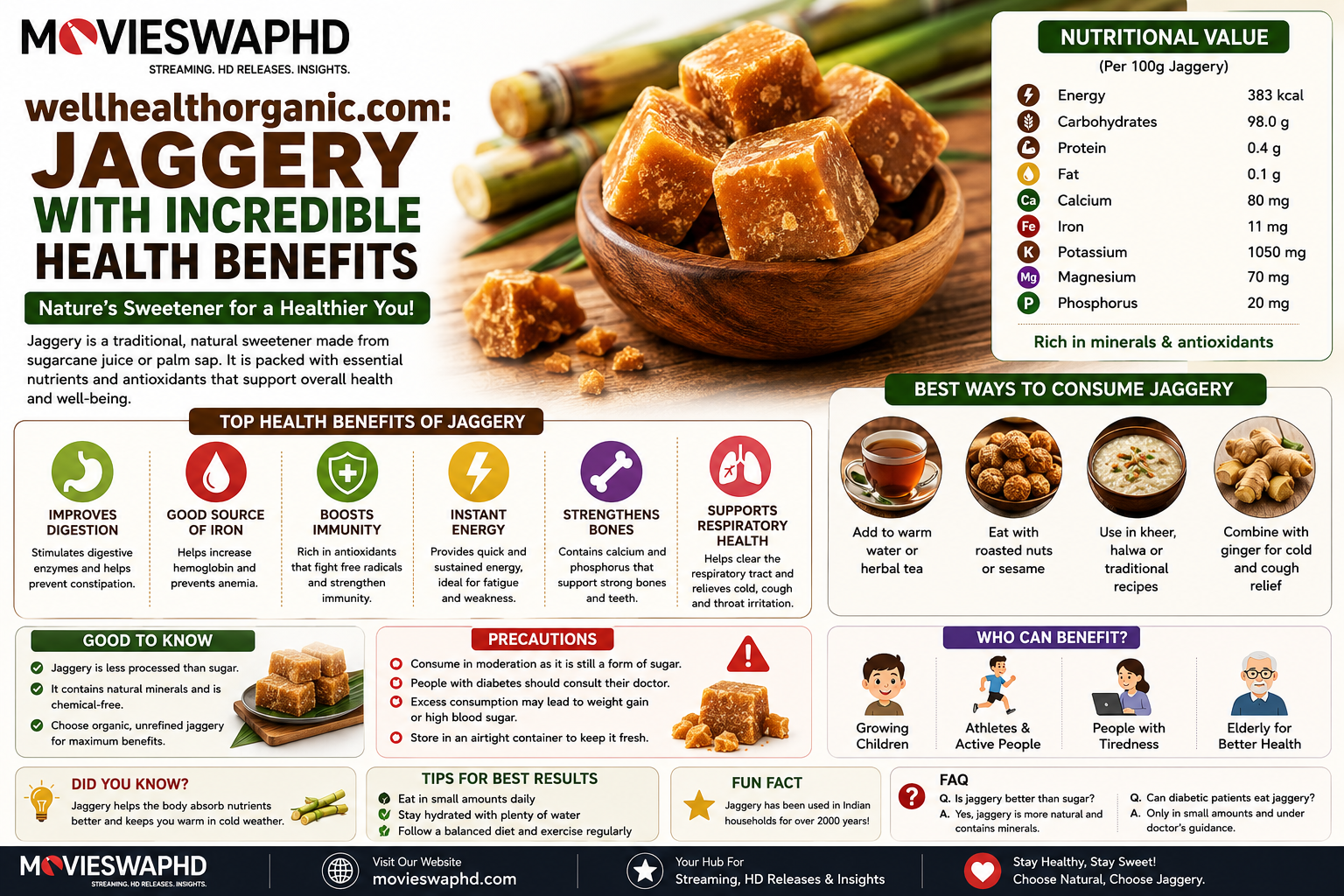
Jaggery has been an essential part of traditional diets for centuries and is often considered a healthier alternative to refined white sugar. Made by boiling sugarcane juice or palm sap until it solidifies, jaggery retains many natural minerals and nutrients that are lost during sugar refining. The topic wellhealthorganic.com:jaggery-with-incredible-health-benefits has become increasingly popular as more people seek natural sweeteners that not only satisfy their sweet cravings but also provide nutritional value. Rich in iron, calcium, potassium, magnesium, and antioxidants, jaggery is known for supporting digestion, boosting immunity, improving energy levels, and promoting overall wellness. Unlike refined sugar, jaggery undergoes minimal processing, making it a preferred ingredient in many traditional remedies and healthy recipes. This comprehensive guide explores the nutritional value of jaggery, its remarkable health benefits, the best ways to consume it, precautions to consider, and practical tips for adding this natural sweetener to your daily routine.
Nutritional Value of Jaggery
| Nutrient | Health Benefit | Natural Source in Jaggery |
|---|---|---|
| Iron | Supports healthy blood production | Sugarcane minerals |
| Calcium | Strengthens bones and teeth | Natural cane juice |
| Potassium | Maintains blood pressure | Plant minerals |
| Magnesium | Supports muscles and nerves | Natural molasses |
| Antioxidants | Protect cells from free radicals | Unrefined processing |
| Carbohydrates | Provides instant energy | Natural sugars |
| Phosphorus | Supports bone health | Mineral-rich juice |
| Zinc | Supports immunity | Trace minerals |
Wellhealthorganic.com:jaggery-with-incredible-health-benefits
The growing popularity of wellhealthorganic.com:jaggery-with-incredible-health-benefits reflects a broader shift toward natural and minimally processed foods. Jaggery is prepared by heating fresh sugarcane juice or palm sap until the liquid thickens and solidifies into golden or dark brown blocks. Unlike refined sugar, which loses most of its minerals during processing, jaggery preserves several naturally occurring nutrients. This traditional sweetener has long been used in Ayurvedic practices for its warming properties and its ability to support digestion and respiratory health. Because it contains small amounts of iron, calcium, magnesium, and antioxidants, jaggery offers more nutritional value than ordinary white sugar. While it is still a source of sugar and should be consumed in moderation, replacing refined sugar with jaggery may be a healthier choice for many people. Understanding its nutritional profile helps individuals enjoy its benefits while maintaining a balanced diet.
Rich Source of Natural Energy
One of the key reasons behind wellhealthorganic.com:jaggery-with-incredible-health-benefits is jaggery’s ability to provide sustained energy. Jaggery contains natural carbohydrates that are gradually absorbed by the body, making it an excellent source of energy for daily activities. Many people consume a small piece of jaggery after meals or before physical work because it helps replenish energy without causing an immediate spike followed by a rapid crash. Athletes and individuals performing physically demanding tasks often prefer natural energy sources over processed sweets. Additionally, jaggery contains trace minerals that contribute to overall vitality. Although it supplies calories like other sweeteners, its nutritional value makes it a more beneficial option when consumed responsibly. Including moderate amounts of jaggery in snacks, herbal drinks, or traditional recipes can provide a satisfying sweetness while supporting energy levels throughout the day.
Supports Healthy Digestion
Another important benefit highlighted in wellhealthorganic.com:jaggery-with-incredible-health-benefits is its positive effect on the digestive system. Traditionally, jaggery has been consumed after meals because it may help stimulate digestive enzymes, supporting smoother digestion. Many people believe that jaggery encourages bowel regularity and may help relieve mild constipation by promoting healthy intestinal movement. It is also commonly mixed with warm water or herbal beverages during colder months to support digestive comfort. The minerals found in jaggery contribute to normal digestive processes, while its natural sweetness makes it an enjoyable alternative to processed desserts. Although jaggery is not a medical treatment for digestive disorders, including it occasionally as part of a balanced diet may support overall digestive wellness. Pairing jaggery with fiber-rich foods, fruits, vegetables, and adequate water intake further enhances digestive health.
May Help Improve Iron Intake
The topic wellhealthorganic.com:jaggery-with-incredible-health-benefits often emphasizes jaggery’s iron content. While jaggery should not replace prescribed iron supplements for individuals with iron deficiency, it does contain naturally occurring iron that contributes to daily nutritional intake. Iron is essential for producing hemoglobin, the protein responsible for carrying oxygen throughout the body. Adequate iron intake helps reduce tiredness associated with deficiency and supports normal energy production. Traditional diets in many regions include jaggery as a simple way to increase mineral intake naturally. Pregnant women, growing children, and individuals with increased iron requirements should always seek guidance from healthcare professionals regarding appropriate nutrition. Consuming jaggery alongside vitamin C-rich foods such as oranges, lemons, or guava may improve iron absorption. Moderation remains important because jaggery still contains significant amounts of natural sugar.
Strengthens Immunity with Natural Antioxidants
One reason many people search for wellhealthorganic.com:jaggery-with-incredible-health-benefits is its antioxidant content. Antioxidants help protect body cells from damage caused by unstable molecules known as free radicals. Excessive oxidative stress may contribute to premature aging and various chronic health conditions. Because jaggery undergoes minimal processing, it retains certain plant compounds and minerals that contribute to antioxidant activity. While it should not be viewed as a cure or replacement for a healthy diet, including moderate amounts of jaggery alongside fruits, vegetables, nuts, and whole grains supports overall nutritional diversity. Traditional practices also recommend consuming jaggery during seasonal changes because it is believed to help maintain general wellness. A nutrient-rich diet combined with regular physical activity, quality sleep, and hydration remains the most effective approach to supporting a healthy immune system.
Benefits for Bones and Muscles
Among the lesser-known aspects of wellhealthorganic.com:jaggery-with-incredible-health-benefits is its contribution to bone and muscle health. Jaggery contains small amounts of calcium, magnesium, and phosphorus, minerals involved in maintaining strong bones and proper muscle function. Calcium supports bone density, while magnesium contributes to muscle relaxation and normal nerve function. Potassium found in jaggery helps maintain healthy electrolyte balance and supports muscle contractions. Although the quantities are relatively small compared to dairy products or leafy vegetables, these nutrients contribute to the overall nutritional profile of jaggery. Pairing jaggery with sesame seeds, peanuts, or milk in traditional recipes creates nutritious snacks that provide both energy and valuable minerals. Maintaining strong bones ultimately depends on balanced nutrition, regular exercise, and sufficient vitamin D in addition to consuming mineral-rich foods.
Natural Detoxification Support
Traditional wellness practices frequently associate wellhealthorganic.com:jaggery-with-incredible-health-benefits with gentle detoxification. While the human body naturally detoxifies itself through the liver and kidneys, jaggery has long been consumed after meals because it may support these natural processes. Some traditional systems suggest that jaggery helps cleanse the respiratory tract by reducing irritation caused by dust and pollution. It is also commonly added to warm water or herbal teas during winter months to promote comfort. Scientific evidence supporting these traditional beliefs remains limited, but jaggery can still be enjoyed as part of a balanced diet. Staying hydrated, eating antioxidant-rich foods, exercising regularly, and avoiding excessive processed foods remain the most effective methods for supporting the body’s natural detoxification systems.
Best Ways to Include Jaggery in Your Diet
Adding jaggery to your meals is one of the practical recommendations within wellhealthorganic.com:jaggery-with-incredible-health-benefits. Replace refined sugar with grated jaggery in tea, coffee, or homemade desserts whenever appropriate. Mix jaggery with roasted peanuts, sesame seeds, or dry fruits for nutritious snacks. Add small amounts to oatmeal, porridge, or traditional recipes for natural sweetness. Many people enjoy warm milk with jaggery during colder seasons, while others use it in herbal drinks with ginger or turmeric. Because jaggery contains natural sugars, portion control remains essential. Consuming excessive amounts may contribute to weight gain or elevated blood sugar levels. A balanced diet focuses on moderation while enjoying the nutritional advantages that jaggery offers over refined sugar.
Frequently Asked Questions
Many readers interested in wellhealthorganic.com:jaggery-with-incredible-health-benefits ask common questions about daily use.
Is jaggery healthier than white sugar?
Jaggery contains more minerals than refined sugar, but both should be consumed in moderation.
Can people with diabetes eat jaggery?
Individuals with diabetes should consult their healthcare provider because jaggery still affects blood sugar.
How much jaggery can be consumed daily?
Small portions as part of a balanced diet are generally recommended.
Does jaggery help digestion?
Many traditional practices suggest that it supports digestion when consumed after meals.
Is organic jaggery better?
Organic jaggery is often preferred because it is typically produced without synthetic chemicals or bleaching agents.
Conclusion
The information shared in wellhealthorganic.com:jaggery-with-incredible-health-benefits highlights why jaggery continues to be valued as a traditional natural sweetener. Rich in essential minerals, antioxidants, and natural carbohydrates, jaggery offers nutritional advantages over highly refined white sugar while providing delicious sweetness. Its potential benefits include supporting digestion, improving energy, contributing to iron intake, and supplying valuable minerals that support overall wellness. However, jaggery is still a form of sugar and should be consumed mindfully as part of a healthy, balanced diet. Combining moderate jaggery consumption with nutritious meals, regular physical activity, sufficient hydration, and healthy lifestyle habits creates the greatest long-term health benefits. Choosing natural foods and practicing moderation allows you to enjoy the unique taste and nutritional qualities of jaggery while supporting a healthier way of living.


